IT'S ALL ABOUT PLANT!

Plants are living organisms belonging to the kingdom Plantae. Precise definitions of the kingdom vary, but as the term is used here, plants include familiar organisms such as flowering plants, conifers, ferns, mosses, and green algae, but do not include seaweeds like kelp, nor fungi and bacteria. The group is also called green plants or Viridiplantae in Latin. -

HOUSEPLANTS

A houseplant is a plant that is grown indoors in places such as residences and offices. Houseplants are commonly grown for decorative purposes, positive psychological effects, or health reasons such as indoor air purification. Plants used in this fashion are most commonly, though not always, tropical or semi-tropical. -

FLOWERING AND FOLIAGE SHRUBS

A shrub or bush is distinguished from a tree by its multiple stems and shorter height, usually under 5–6 m (15–20 ft) tall. A large number of plants may become either shrubs or trees, depending on the growing conditions they experience. Small, low shrubs such as lavender, periwinkle and thyme are often termed subshrubs. -

TREES AND HERBS

In general use, herbs are any plants "with leaves, seeds, or flowers used for flavoring, food, medicine, or perfume" or parts of "such a plant as used in cooking". In botanical use, the term "herb" is employed differently, for any non-woody flowering plant, regardless of its flavor, scent or other properties, and thus includes only grass-like plants and forbs -

AQUATIC PLANTS, VINES, CACTUS, etc.

A cactus is a member of the plant family Cactaceae, within the order Caryophyllales. Cacti have a variety of uses: some species are used as ornamental plants, others are grown for fodder or forage, others for food (particularly their fruit). Most cacti live in habitats which are subject to at least some degree of drought. -

Showing posts with label Herbs. Show all posts

Tuesday, May 08, 2012

Herbs: Dill


PLANT TYPE: Annual
SCIENTIFIC NAME: Anethum graveolens
ZONE / HARDINESS: Annual - not applicable
MATURE PLANT SIZE: Up to 36 inches high x 24 inches wide
LIGHT: Full Sun - Wind Protected Area
FLOWERING PERIOD: July to September
SOIL TYPE: Fairly rich, well-drained, moist soil
pH RANGE: 6.0
KNOWN PESTS: N/A
KNOWN DISEASES: N/A


OVERVIEW:

Dill, a popular annual, has bluish-green stems that contrast with finely divided, yellow-green, plume-like leaves and yellowish flowers. Dill grows about 2 to 3 feet high. 

Both the leaves and seeds of dill are popular for flavoring pickles, sauerkraut, and beet dishes. It can be combined with garlic and pepper to produce a highly flavored Mediterranean or East European roast (often cooked over a spit outdoors). The seeds yield a fragrant oil. 

Plant early in the spring after the danger of frost. Seeds are best sown where they will stay, as dill does not transplant well. Plant 1/4 inch deep about 10 inches apart in a prepared bed. A protected location is best to ensure that the tall stalks are not destroyed by the wind. Enjoys full sun, fairly rich, well-drained, moist soil. In tropical climate however, dill usually grows well in area that is slightly shady. Snip the leaves as needed during the summer and harvest the top half of the plant when the seedheads are beige. Dry in bunches or a bag. Store dried foliage and seeds in an air-tight container. Fresh leaves can be refrigerated for 1 week. Dillweed is easiest to handle when frozen on its stem. When needed, snip some off and return the rest to the freezer. 

Dill Flower
Each flower produce a single seed
Seeds on cut-off flower stalk
Collected seeds ready to be use

PROPAGATION / SOWING:
Direct Seed. Plant 1/4 inch deep about 10 inches apart in a prepared bed. Does not transplant well.


COMPANION PLANTING:
Dill and cabbage plants grow well together. Dill also helps corn, lettuce, onions, and cucumbers. The flowers attract honey bees to the garden. 


CARE & GROWING:
In spring, sow seeds in shallow drills about 10 inches apart in a prepared bed where they will stay. Firm the soil down and water well. Repeat the plantings for a continuous supply of fresh dill leaves. The soft, delicate seedlings do not transplant well and are easily blown over by strong winds. The plants do best in a sunny, sheltered area. 


HARVESTING:
Snip the leaves as needed during the summer and harvest the top half of the plant when the seedheads are beige. Dry in bunches or a bag. Store dried foliage and seeds in an air-tight container. Fresh leaves can be refrigerated for 1 week. Dillweed is easiest to handle when frozen on its stem. When needed, snip some off and return the rest to the freezer.

Dried shredded dill leaves

USAGE:
Very usefull in culinary, decorating, and medicinal. Dill is used in herbal butter and herb vinegars. It can flavor fish, lamb, poultry, cheese, cream, eggs, vegetables, avocados, apples, popcorn, salads, soups, sauces, and spreads. The plant is used to make green dye. The foliage and flowers dry nicely and add an airy touch to plant arrangements. Dill also can be grown in containers with some success.

Cucumber dill dip
Baked salmon with lime dill sauce
Lemon dill potato salad

MEDICINAL PROPERTIES:

Dill is mostly a culinary herb today, but it does have some value in medicine, mostly as a stomach soother and anti-gas remedy. It is also said to increase mother's milk and help treat breast congestion from nursing. It is mild, and makes a good remedy for colic in babies.

Dill water is used often for relief of the above symptoms, and can be made by adding 8 drops of Oil to 1 pint of water. Take up to 8 teaspoons per day of this concoction. Dill can also be made into a Tea, and sweetened with honey, or prepared as an infusion by steeping 2 teaspoons of seed in 1 cup of water for 10-15 minutes, then straining. Take 1-2 cups per day.

Thursday, May 03, 2012

Medicinal Plant: Oregano

Oregano is among the most popular herb and spice especially in Italian dishes. The name oregano derives from the Greek words oros, for "mountain," and ganos, for "joy" or "splendor" and usually known as Origanum vulgare, its scientific name. Not only oregano is a beautiful plant, but the mountainsides on which it grew were considered much more beautiful because of its presence.
This aromatic herb is a perennial that grows wild in the mountains in areas free of pollution and flourishes in late summer in warm, sunny fields. It not only has a distinctive aroma, but despite its use in cooking, oregano also offer health benefits. Here are some benefits to be derived from this herb:
  1. Although tend to feel a little bitter, oregano is one of the best known resources to meet the health demand for iron and vitamin A. 
  2. Take oregano in dishes on a regular basis can help increase the body's immune system against diseases. 
  3. Compounds thymol and carvacol contained in this herb is beneficial in helping to smooth the process of digestion and treat stomach disturbance.  
  4. During menstruation, chew some fresh oregano leaves can help relieve pain and tension in the stomach and hips. 
  5. Oil content in fresh oregano leaves have antibacterial and antiviral properties. In fact, mash leaves are also very useful for treating skin diseases as it acts as a powerful antiseptic. 
  6. Oregano also has properties that can soothe and help the body during sleep.
"Oregano is one of the world's finest natural medicines, its power lying in the oil found in its leaves."

Oregano as a medicine:
  1. Try a tea made with oregano for loss of appetite, nervousness, indigestion, bloating, flatulence, coughs, urinary problems, bronchial problems, headaches, swollen glands, and to promote menstruation. It has also been used in the past to relieve fevers, diarrhea, vomiting, and jaundice.
  2. Unsweetened oregano tea can be used as a gargle or mouthwash.  
  3. Alternatively, the leaves can be dried, pulverized, and made into capsule form when it's inconvenient to make a tea.
  4. Oil of oregano helps in the reduction of tooth pain. In fact, when poured into the cavity of the tooth, it acts as an analgesic.
  5. Oil of oregano is also a powerful fungicide and can be used to treat fungus and yeast infections, especially systemic, chronic, or recurrent fungus infection and yeast infection caused by Candida albicans intestinal yeast overgrowth (Candidiasis).
  6. Oregano can also help alleviate intestinal disorders commonly associated with Candidiasis including Chronic Fatigue Syndrome (CFS), Fibromyalgia, Irritable Bowel Syndrome (IBS), leaky gut syndrome, and a number of intestinal parasite and bacterial infections.
  7. Historically, oil of oregano superseded anti-inflammatory drugs in reversing pain and inflammation and is nearly as powerful as morphine as a painkiller. Externally, oregano leaves can be pounded into a paste. Add small amounts of hot water or tea to reach the desired consistency (oatmeal may also be added to thicken it if needed). This paste can then be used to relieve pain from rheumatism, swelling, itching, aching muscles, and sores.
  8. Oil of oregano can also provide immediate help for bee stings and venomous bites until medical attention can be reached.
  9. For tired joints and muscles, put a handful of oregano leaves in a coffee filter, mesh bag, or cheesecloth bag and run steaming bath water over it. Allow it to steep in the tub with you as you relax in the warm, fragrant water.
  10. Oil of oregano also has even been suggested as a treatment for dandruff, diaper rash, and other skin disorders. 
Oregano Shoot Close-up 
Fresh Oregano  
Dried Oregano 
Oregano Powder
Oregano has been said to be helpful in cases of:
  • Digestion, parasites, despression, flu, constipation, rashes, brain fog, lung fungus, toe and fingernail fungus, head lice, aching joints and muscles, warts, athlete's foot
  • Eczema, flu, headaches, toothaches, ear infection, fevers, allergies, burns, bleeding, fatigue, arthrities, sprains, back pain, colds
  • Lyme disease, canker sores, gastrointestinal / colitis / diarrhea, E. coli - and try it for whatever else bothers you. All of oregano's attributes have yet to be fully explored.
  • When sprayed, oregano cleans the air, kill fleas, and kills bugs on plants.
"Oregano is usually thought of as a culinary herb, yet its medicinal properties have been understood and used for thousands of years. But beware: The related herbs thyme and marjoram sold in most North American supermarkets are often mislabeled as oregano and it do not possess oregano's miraculous healing properties."

Sunday, January 29, 2012

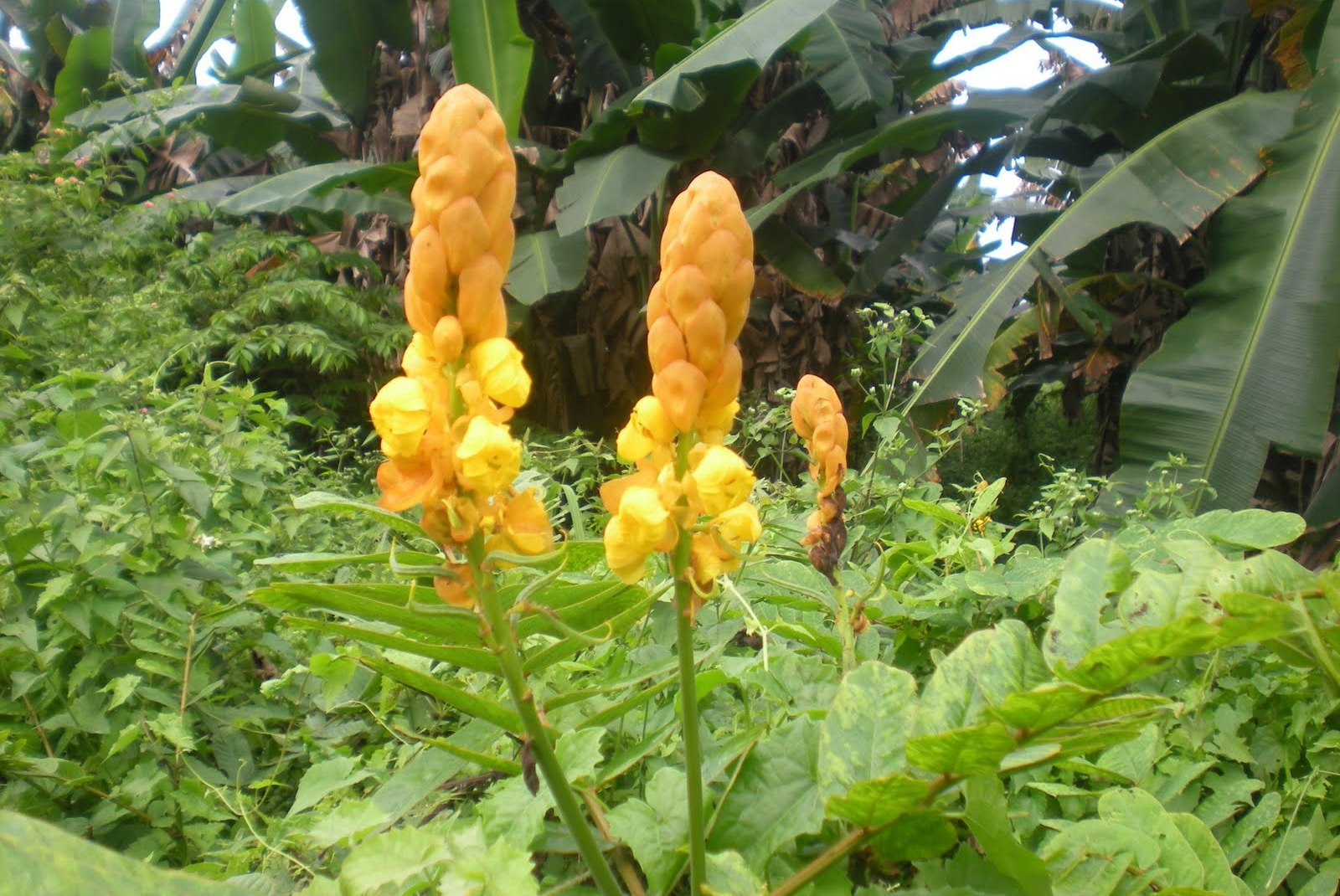
Gelenggang kecil (Senna tora)


Sinonim: Cassia tora
Famili: Leguminosae (Caesalpiniaceae)
Nama tempatan: Gelenggang padang
Negara asal: Amerika Tropika

Kini pokok renek yang batangnya sedikit berkayu ini lebih dikenali sebagai rumpai jika dilihat tumbuh di mana-mana kawasan perumahan tidak seperti dahulu. Batang pokoknya berwarna hijau keperangan dan tumbuh dengan ketinggian antara 50-100cm. Daun pinatnya kira-kira 8-12cm panjang dan terdiri daripada 3 pasang anak daun yang berbentuk obovat atau obovat-oblong, berukuran 3-5cm panjang dan 2-3cm lebar. Daunnya juga berwarna hijau muda, yang akan kuncup pada waktu petang dan terbuka pada waktu pagi.

Daun pokok ini juga akan menguncup sekiranya disentuh sama sifat seperti rumput semalu. Bunganya keluar berpasangan, berwarna kuning dan mempunyai pendunkel pendek yang tumbuh pada aksil daun di pucuk. Lenggainya berbentuk silinder dan runcing, luaran bersegi, 10-15cm panjang dan 2-3mm lebar, dan banyak mengandungi biji yang kecil berwarna kekuningan. Lenggai ini berwarna hijau dan bertukar kepada perang kehitaman apabila masak.

Spesies pokok yang seakan-akan sama adalah Senna obtusifolia dengan nama tempatannya gelenggang sayur atau gelenggang nasi. Spesies ini tumbuh lebih tinggi, daunnya tidak berbau busuk dan perbezaannya hanya dari segi bentuk bunganya dan buahnya yang tidak bersegi.

Kegunaan dan Khasiat
Pokok herba atau pokok renek ini dianggap sebagai sayuran tradisional yang tidak diminati lagi. Pucuk atau daun muda herba ini biasanya dimasak lemak dan menjadi ramuan dalam masakan berasaskan ikan. Sayur ini turut dicampur dengan sayur atau pucuk lain sebagai ramuan nasi ulam, sambal tempoyak daun kayu atau kerabu. Sayur ini juga dianggap sebagai ubat yang dapat mengawal muntah dan sakit perut akibat makanan yang tidak hadam.

Sayuran ini mengandungi khasiat mineral dan vitamin yang tinggi. Dalam setiap 100g bahagian yang dimakan terkandung:
Kalsium 110mg, fosforus 61mg, ferum 6.4mg, vitamin A 15400 I.U, vitamin B1 1.9mg, vitamin B2 29mg, niasin 1.6mg dan vitamin C 185mg.


Pembiakan dan Penanaman
Sayuran tradisional ini tidak ditanam tetapi tumbuh meliar di tempat-tempat yang terbiar. Bagaimanapun di kampung-kampung, herba ini ditanam di sekitar kawasan rumah untuk keperluan dapur dan untuk kegunaan sebagai ubat.

Pembiakannya boleh dilakukan dengan cara semaian biji benih. Biji benih tersebut boleh terus disemai di batas dan jarak antara tanaman adalah 60-90cm . Pokok ini mampu hidup subur dalam pelbagai jenis tanah yang bersaliran baik. Namun, tanah bakar adalah tanah yang paling sesuai untuk pertumbuhan gelenggang kecil. Baja yang disyorkan adalah baja asli atau baja organik seperti najis haiwan, kompos dan air basuhan ikan.


Related Posts Plugin for WordPress, Blogger...

Quick Wikipedia Search

Search results

WWF Message (Forests for Life)

WWF Message (Forests for Life)
Plants are disappearing. Every year over 11.5 million hectares of tropical forest is cut and then burned to clear land for farming and cattle grazing. This kind of change is called deforestation. With fewer trees and other plants to convert carbon dioxide to oxygen, too much carbon dioxide builds up. Deforestation is one cause of global warming. The conservation of plants and forests is now something more people and governments are beginning to discuss very seriously as one way to protect the environment.

WWF Message (Before It's Too Late)

WWF Message (Before It's Too Late)
Plants are one of two major Kingdoms of life forms. There are about 300,000 plant species on Earth. Plants are the only life forms that can produce their own food using energy from sunlight. Plants produce almost all of the oxygen in the air that humans and other animals breathe. Plants are also an important source of food, building materials, and other resources that make life possible for Earth’s animals.

International Aquatic Plant Layout Contest - 2012 Grand Prize

International Aquatic Plant Layout Contest - 2012 Grand Prize